
Understanding the Changes in Your Lawn
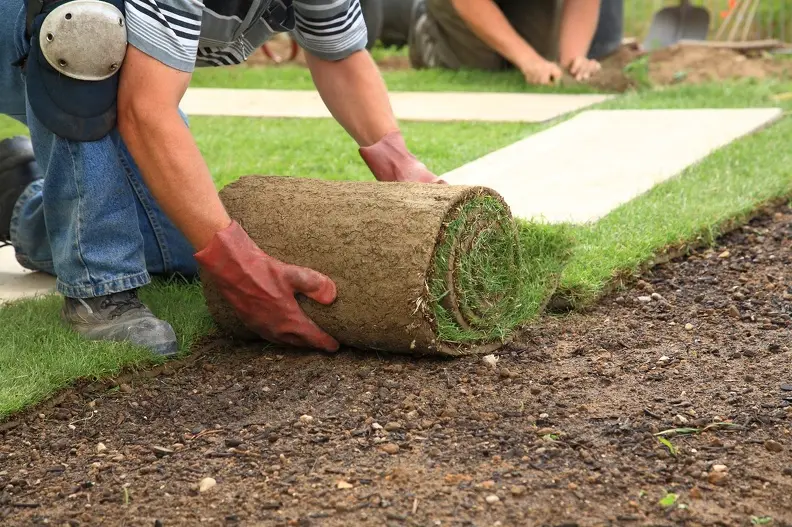
After getting new grass laid in your yard, you might wonder what happens next. The process involves more than just rolling out fresh green turf. You need to consider several factors to ensure a healthy and vibrant lawn. These changes include watering schedules, mowing routines, and soil adjustments. By understanding these elements, you can maximize the longevity and health of your freshly installed grass.
Watering Requirements for New Grass
The first few weeks after sod installation are crucial for establishing strong roots. Watering is a key part of this phase. Initially, you should water your new grass every morning. This helps keep the soil moist but not soaked. Over-watering can lead to fungal growth, while under-watering may cause the sod to dry out. Adjust the frequency based on weather conditions and soil type to maintain optimal moisture levels.
Mowing Guidelines for Freshly Laid Turf
Once your new lawn is established, you’ll want to mow it regularly. However, avoid cutting too soon after sod installation. Wait until the grass reaches about three inches in height before the first trim. Use sharp blades and set the mower at a high setting to avoid stressing the young plants. Regular mowing encourages healthy growth by promoting lateral spread and preventing thatch buildup.

Nutrient Management for Optimal Growth
Newly laid sod benefits from proper fertilization to promote growth and resilience. Choose a balanced fertilizer rich in nitrogen, phosphorus, and potassium. Apply it during the initial stages following sod installation. Be sure to follow product instructions carefully to prevent burning the grass or polluting nearby water sources. A slow-release formula can provide nutrients over time, reducing the risk of nutrient runoff.
Soil Settling and Maintenance
Your lawn may experience some settling as the roots establish themselves in the soil. This is normal and typically resolves on its own. If low spots develop, topdressing with a mix of sand and topsoil can level the area. Aeration may also be necessary to reduce compaction and improve water penetration. These practices enhance root development and overall lawn health.
Pest and Weed Control Strategies
Weeds and pests pose challenges to newly laid sod. Manual removal of weeds can prevent them from spreading. If pest issues arise, identify the problem early and consider natural control methods. Chemical treatments should be used sparingly and only as a last resort. This ensures minimal disruption to beneficial organisms in the soil ecosystem.
Signs of Healthy Root Development
A well-established lawn will have deep, sturdy roots anchoring it into the soil. Signs of successful rooting include uniform color, resistance to pulling up easily, and consistent growth patterns. Monitor your lawn’s progress through regular inspections. If you notice bare patches or yellowing, adjust care routines accordingly.
When to Seek Professional Help
If you’re unsure about caring for your new lawn or face persistent problems, consulting an expert might be beneficial. Professionals can offer tailored advice specific to your location’s climate and soil conditions. They can also perform specialized services like aeration or pest treatments to ensure optimal lawn health.
Ensuring Long-Term Success With Your Lawn
Your beautiful lawn begins with proper care after installation. Located in Alamogordo, NM, I am committed to helping you achieve long-lasting results. Call (575) 285-5456 for expert guidance tailored to your needs. Partner with Pro Landscaping today for exceptional service and support.